Siding That Withstands South Jersey Seasons
Exterior Painting in Washington Township for homes showing fading, peeling, and weather damage on wood and vinyl surfaces
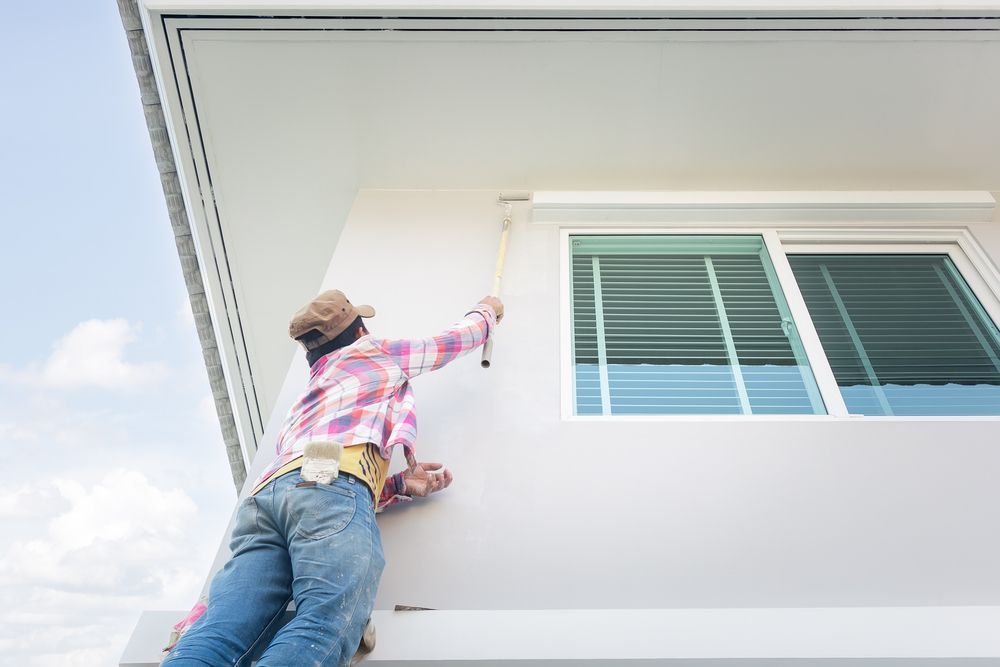
South Jersey's freeze-thaw cycles crack old paint along trim boards, summer humidity causes blistering on south-facing walls, and UV exposure fades siding color unevenly across your home's facade. These failures let moisture reach wood substrate, which starts rot cycles that compromise structural integrity within two to three seasons if left unaddressed. Hemlly Painting & Home Improvement LLC applies durable coatings after removing failed paint and repairing damaged wood, creating a barrier that sheds water instead of trapping it against your home.
The process starts with pressure washing that removes dirt, mildew, and loose paint without damaging underlying surfaces, followed by scraping and sanding areas where paint has separated from substrate. Wood repairs happen before primer touches the surface, and caulk seals joints where different materials meet—locations where water intrusion typically starts.
Request a property inspection to identify which surfaces need immediate attention versus routine maintenance painting.
Why Seasonal Weather Conditions Affect Coating Performance
Paint applied during Washington Township's humid July afternoons traps moisture as it dries, creating micro-bubbles that eventually peel, while coatings applied during cold November mornings never fully cure and remain soft enough to collect dirt. Proper exterior painting requires temperatures between fifty and eighty-five degrees with humidity below seventy percent, conditions that typically occur during spring and fall in this region. Surface preparation matters more than paint brand—premium coatings fail quickly over dirty or glossy substrates, while mid-grade products last a decade when applied to properly cleaned and primed surfaces.
After completion, you see trim lines that stay crisp where different colors meet, siding that sheds rainwater in sheets rather than absorbing it into the grain, and shutters that maintain color saturation even on south and west exposures. Hemlly Painting & Home Improvement LLC applies two finish coats over primer on bare wood, which creates the film thickness needed to prevent UV degradation and moisture penetration common with single-coat applications.
Exterior projects typically include all painted surfaces visible from street level—siding, trim, shutters, doors, and garage doors—but exclude unpainted materials such as brick, stone, and vinyl siding unless specifically requested. Soffit and fascia boards receive special attention since these horizontal surfaces trap water and deteriorate faster than vertical siding.
Answers to Frequent Service Questions
Property owners considering exterior painting want clarity about preparation methods, coating durability, and what weather protection actually means.
What preparation steps happen before exterior paint application?
All surfaces receive pressure washing at controlled pressure that removes dirt without damaging wood, followed by scraping of loose paint, sanding of rough areas, wood repair where rot or damage exists, and priming of bare wood before finish coats go on.
How long does exterior paint last on homes in Washington Township?
Properly applied exterior coatings on well-maintained wood surfaces typically perform for eight to twelve years before requiring full repainting, though south and west exposures may show fading sooner due to intense afternoon sun common in South Jersey.
What surfaces get painted during a full exterior project?
Standard projects cover all wood and previously painted surfaces including siding, trim boards, window frames, doors, shutters, fascia, soffit, and garage doors, while brick, stone, vinyl siding, and metal fixtures remain untreated unless you request otherwise.
When is the best time to schedule exterior painting in this area?
Spring and fall provide ideal conditions with moderate temperatures and lower humidity, while summer heat causes fast drying that can leave brush marks and winter cold prevents proper curing even when daytime temperatures seem acceptable.
What indicates exterior surfaces need repainting beyond appearance issues?
Paint that chalks off on your hand when touched, caulk joints that have separated leaving gaps, wood that feels soft or spongy when pressed, and bare wood visible where paint has completely peeled all signal that protective coating has failed and moisture damage may be starting.
Request a free exterior painting consultation from Hemlly Painting & Home Improvement LLC to review your specific surface conditions and receive a detailed project timeline that accounts for weather-appropriate scheduling.